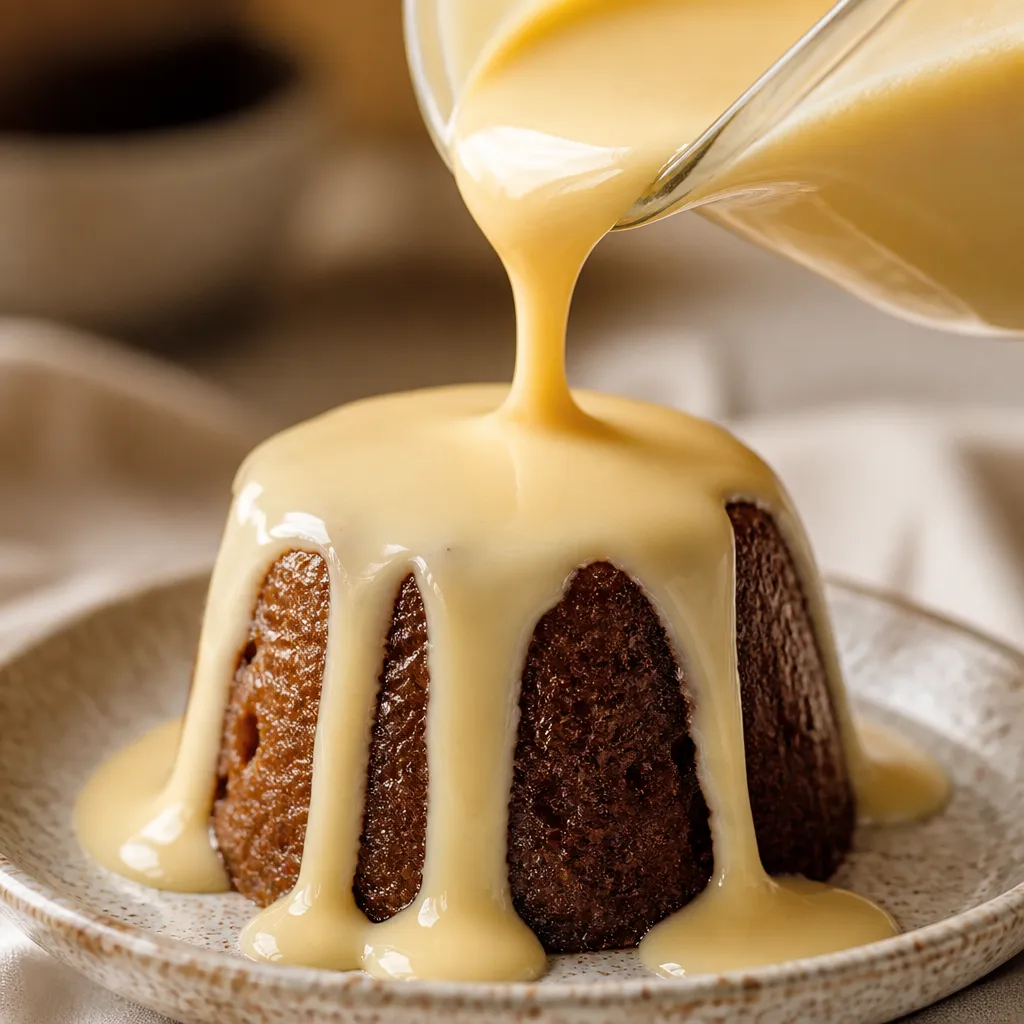
Quick fix: Curdled custard has got too hot and the eggs have started to scramble. Take it off the heat immediately and whisk it hard — or blitz it with a stick blender — to smooth it out. A splash of cold milk can help. Cook custard gently over a low heat, stirring constantly.
Custard curdles when it overheats — the eggs in it start to scramble, leaving a lumpy, grainy mess instead of a smooth pouring sauce. Eggs set well below boiling point, so it can happen quickly if the heat is too high or you stop stirring.
Rescue and prevention
Don’t panic: take the pan off the heat straight away and whisk hard, or blitz it with a stick blender — that will smooth out all but the worst curdling, and a sieve catches any stubborn bits. To avoid it next time, cook custard low and slow, stirring constantly, and never let it boil. The best insurance is whisking a teaspoon of cornflour into the eggs first: it stabilises the custard and makes it much harder to split.
Why it happens
- It got too hot — eggs begin to scramble well below boiling point.
- It was left unstirred, so the base overheated.
- Hot milk was added to the eggs too quickly, cooking them on contact.
How to fix it now
- Take it off the heat at once and whisk vigorously, or blend it with a stick blender until smooth again.
- Whisk in a splash of cold milk to drop the temperature.
- If it's badly scrambled, pass it through a fine sieve to remove any bits.
How to prevent it next time
- Cook custard over a low heat, stirring constantly, and never let it boil.
- Temper the eggs: add the hot milk to them a little at a time, whisking.
- Whisk a teaspoon of cornflour into the eggs first — it stabilises the custard and makes it far more forgiving.