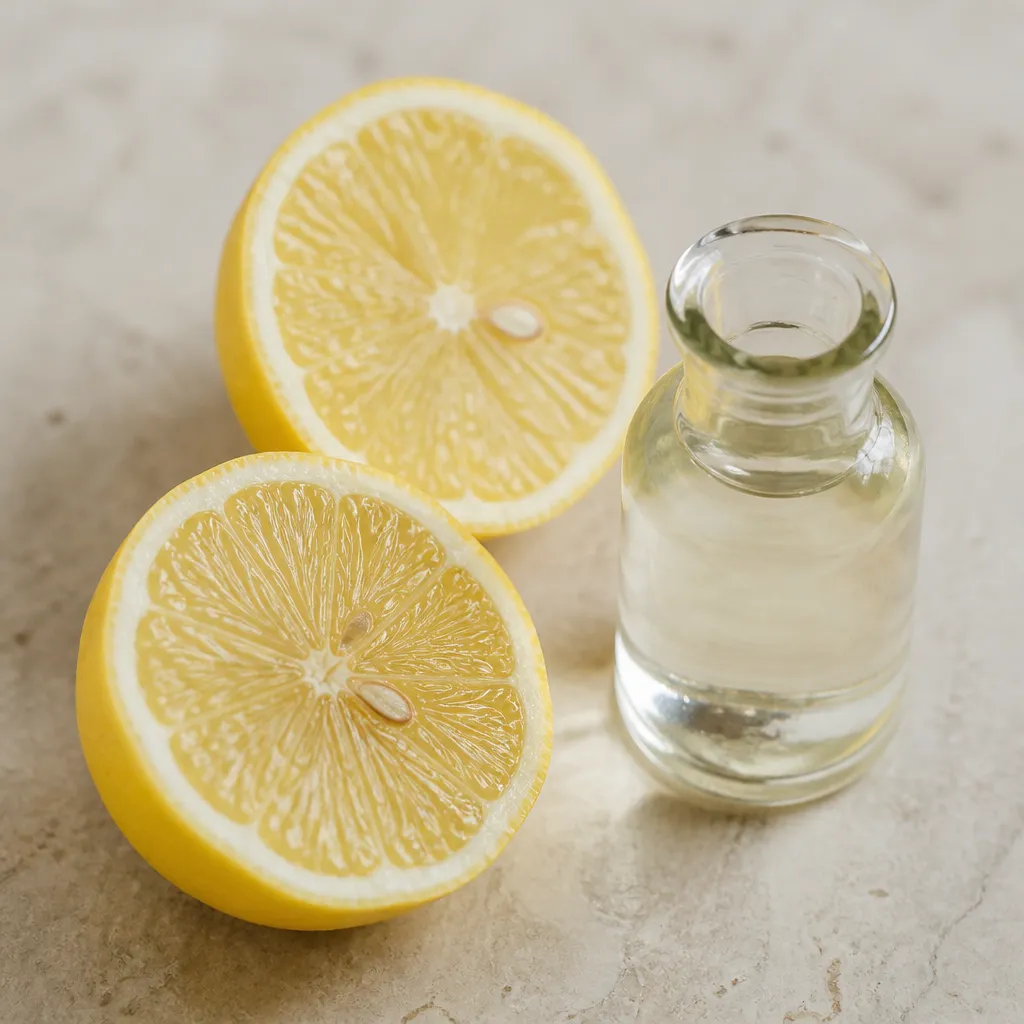
Usually works
Best ratio: Swap roughly 1:1 in most cooking. Lemon juice is a little milder and fruitier, so taste and add a touch more if you want more sharpness.
Lemon juice and vinegar are both acids, so in most everyday cooking you can swap one for the other. Lemon juice is a little gentler and adds a fresh, fruity note, which is often an improvement — a squeeze of lemon can brighten a dish just as a splash of vinegar would.
When to be careful
The big exception is pickling and preserving. There, vinegar’s consistent, known acidity is what keeps food safe and shelf-stable, and lemon juice isn’t a reliable substitute. For dressings, marinades, sauces and finishing a dish, though, lemon juice works beautifully — just taste as you go, since it’s milder than most vinegars.
When it works
- Salad dressings, marinades and sauces.
- Brightening soups, curries and stews with a squeeze of acidity.
- Deglazing a pan or balancing a rich dish.
When it doesn't work
- Pickling and preserving, where vinegar's specific acidity and shelf-stability matter for safety.
- Recipes that need a sharp, neutral tang without any citrus flavour.
Taste & texture difference
Lemon juice is fresher and fruitier than vinegar, with a softer acidity. It lifts and brightens a dish rather than giving the sharp, sometimes harsh bite of vinegar.