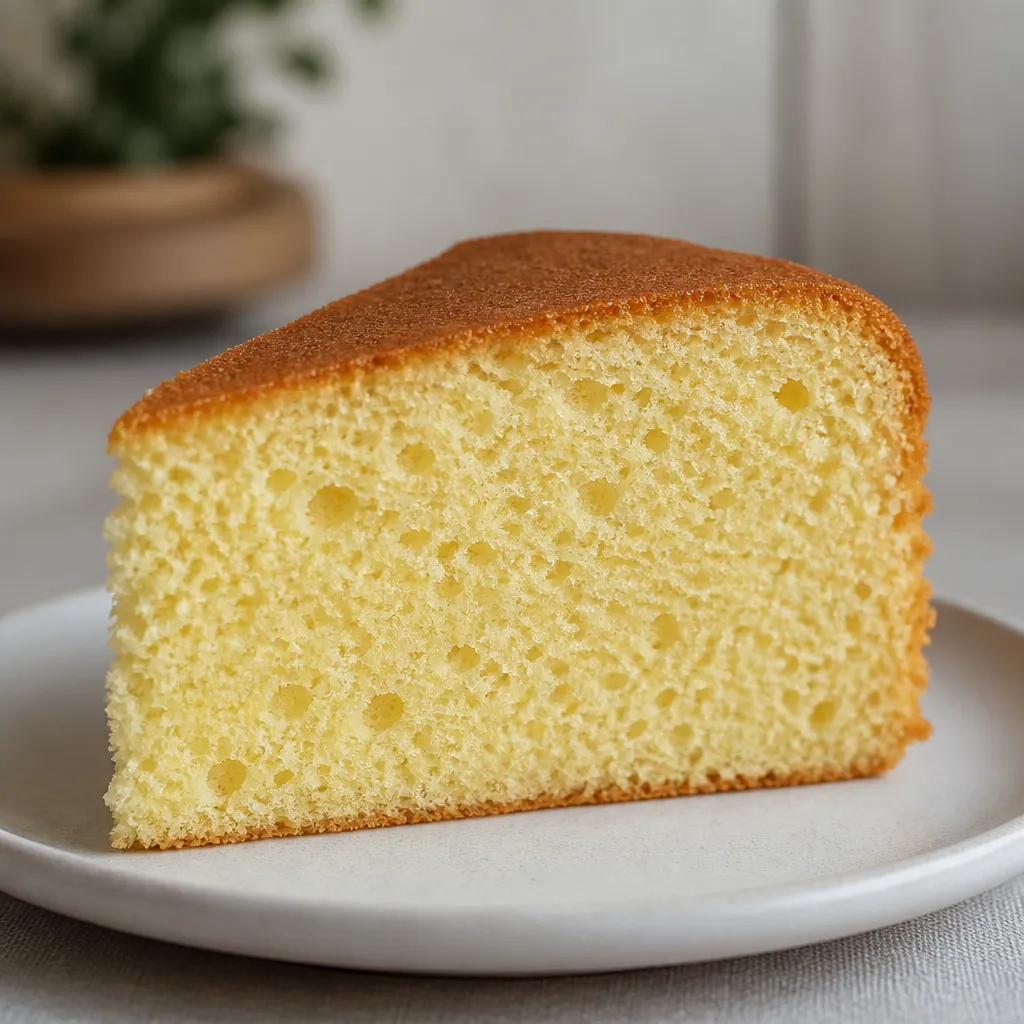
Quick fix: A dense cake is nearly always caused by over-mixing the batter once the flour goes in, a raising agent that's old or under-measured, or an oven that's too cool. Mix just until combined, use in-date baking powder, and bake at the right temperature.
A dense cake is one of the most common baking disappointments — it looks fine but comes out heavy and close-textured instead of light and springy. The cause is almost always about air: either not enough was beaten in, or what went in was knocked back out.
The usual culprits
Over-mixing is the number one cause. Once flour meets a wet batter and you keep beating, gluten develops and the airy structure collapses — fold gently and stop early. Close behind are tired raising agents (baking powder loses power after a few months open) and under-creaming the butter and sugar, which is where a lot of the initial air comes from.
Salvaging this one
A baked dense cake can’t be made light again, but it’s far from wasted — layer it into a trifle, serve it warm with custard, or turn it into cake pops. A dense loaf cake still slices well for lunchboxes.
Getting it right next time
Cream the butter and sugar until genuinely pale and fluffy, fold the flour in gently, weigh everything, and check your baking powder is in date. Bake in a properly preheated oven and test with a skewer — it should come out clean with just a few moist crumbs.
Why it happens
- Over-mixing after adding the flour — this develops gluten and knocks out air, giving a tight, heavy crumb.
- Old or too little raising agent, so the cake can't lift.
- Butter and sugar not creamed enough, so not enough air is beaten in to start with.
- Too much liquid or fat, or too much flour from scooping rather than weighing.
- Oven too cool, or the cake taken out slightly underbaked so it settles.
How to fix it now
- You can't un-dense a baked cake, but you can rescue it: cube it for a trifle, warm it with custard, or blitz into cake pops.
- A dense-but-cooked sponge still makes great lunchbox slices — dust with icing sugar.
How to prevent it next time
- Cream the butter and sugar until pale and fluffy before adding eggs.
- Fold in the flour gently and stop as soon as it disappears.
- Weigh ingredients and use in-date raising agent.
- Preheat fully and bake in the middle of the oven; check with a skewer.
- Use room-temperature eggs and butter so the batter emulsifies.