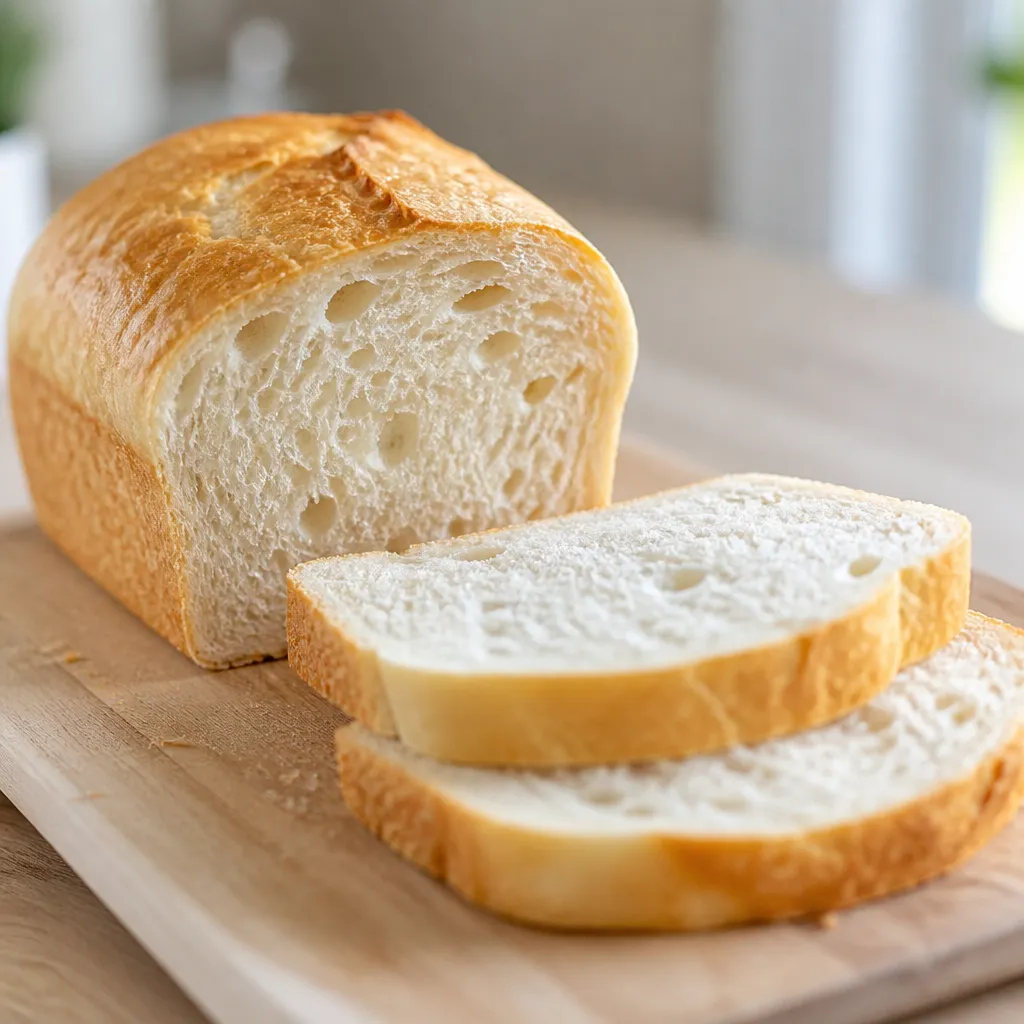
Quick fix: Dense bread almost always means it hasn't risen enough. The usual causes are old or killed yeast, too little kneading, or not proving for long enough. Use in-date yeast, mix it with lukewarm (not hot) liquid, knead until stretchy, and prove until doubled in size.
A dense, heavy loaf is a let-down after all that effort, and the reason is nearly always the same: not enough rise. Bread gets its light, open texture from yeast producing gas and a well-developed gluten network trapping it — and if either of those falls short, you get a tight, brick-like crumb.
The usual suspects
Start with the yeast: check it’s in date, and always mix it with lukewarm liquid, because water that’s too hot kills it outright. Then make sure you knead enough to build stretchy gluten, and prove the dough somewhere warm until it’s genuinely doubled in size. Rushing the prove or working in too much flour are the two most common reasons a loaf comes out dense.
Why it happens
- The yeast was old, or killed by liquid that was too hot.
- The dough wasn't kneaded enough to develop the gluten that traps gas.
- It didn't prove long enough, or the room was too cold.
- Too much flour, making a dry, stiff dough.
How to fix it now
- You can't re-rise a baked dense loaf, but it still makes excellent toast, breadcrumbs or bread-and-butter pudding.
- Slice it thinly and griddle it for bruschetta or croutons.
How to prevent it next time
- Check the yeast is in date and mix it with lukewarm liquid, never hot.
- Knead until the dough is smooth and stretchy, about 10 minutes by hand.
- Prove somewhere warm until it has doubled in size — don't rush it.
- Add flour gradually; the dough should be soft, not stiff and dry.