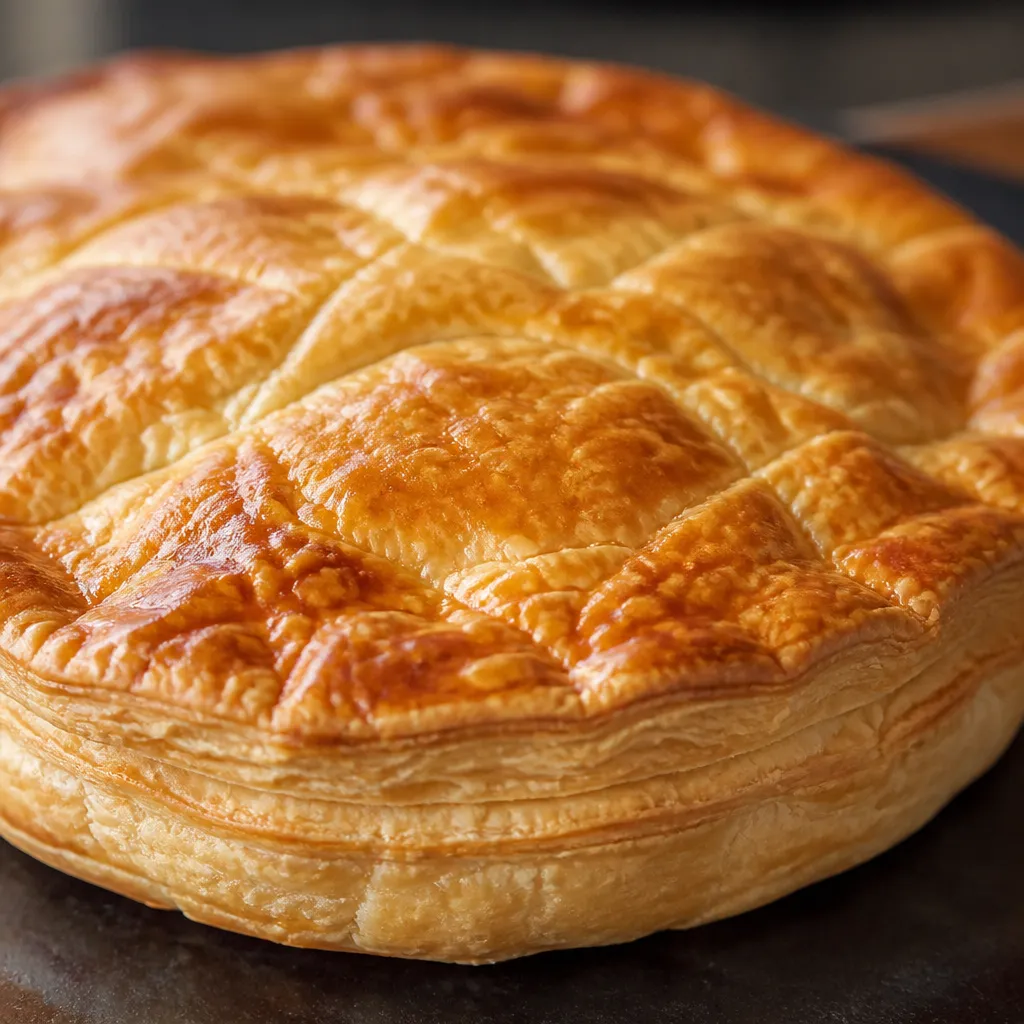
Quick fix: Tough pastry comes from developing too much gluten — usually from overworking the dough or adding too much water. Handle it as little as possible, keep everything cold, add just enough water to bring it together, and rest it in the fridge before rolling and baking.
Good pastry should be short and crumbly, so tough, hard pastry is a common frustration. The culprit is gluten — the same protein that gives bread its chew is the enemy of tender pastry, and it develops whenever the dough is worked too much or gets too wet.
Keep it cool and gentle
The golden rules are: handle it as little as possible, keep everything cold, and use only just enough water to bring the dough together. Rub the fat in lightly, mix gently rather than kneading, and rest the dough in the fridge before rolling — resting relaxes any gluten that has formed. Re-rolling scraps repeatedly also toughens pastry, so try to roll it out in one go.
Why it happens
- Overworking or over-kneading the dough, which develops gluten and makes it tough.
- Too much water, or too little fat to keep it short.
- Re-rolling the trimmings too many times.
- Warm hands or a warm kitchen melting the fat before baking.
How to fix it now
- You can't undo tough baked pastry, but a pie or tart still tastes good served with plenty of gravy, cream or custard.
- For a quiche or pie, the filling carries it — focus on getting the next batch right.
How to prevent it next time
- Rub the fat into the flour lightly with your fingertips, and add the minimum water needed.
- Bring it together gently — don't knead it like bread dough.
- Rest the dough in the fridge before rolling, and keep everything cold.
- Roll it out once where you can, and re-roll trimmings as little as possible.